MY NEXT 5 BOOKS

S1

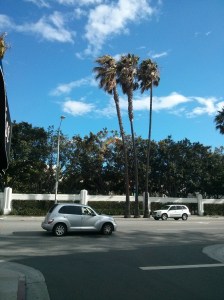
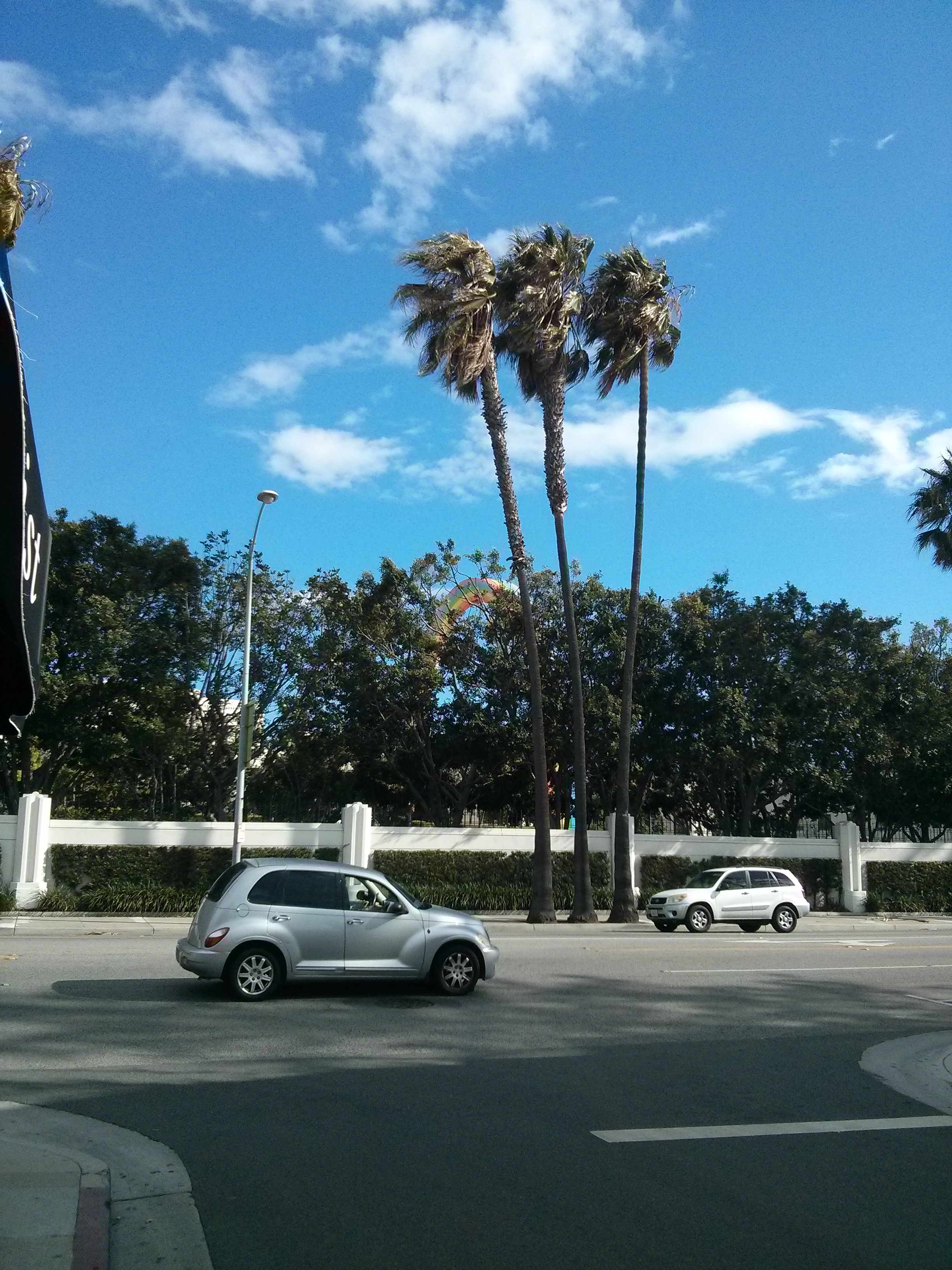
3 Palm Trees, Culver City

At the outset of summer, before the longest day of the year passed me by, leading to shorter days with less sunlight by which to read at the beach, I made a list of the five books I wanted to read and why. By the way, I’ve never been able to read a book on the beach; the loud waves either serve as a siren to swim or they lull me to sleep.

This NEXT 5 list is inspired by the Seattle Public Library’s program “Your Next 5 Books,” a service that allows readers nationwide to email librarians with likes and dislikes for a new list of 5 book suggestions.

Here is the list I made for myself:

1. Body of Lies by David Ignatius.

Why? To start the summer, I wanted to read a book for fun. Fun. I sometimes lose sight of this goal, so I forced myself to go to the Santa Monica Library’s used book store and pick up a random book. After years of wanting to read a spy thriller by David Ignatius, I picked up Body of Lies for $1. The 2009 film had been entertaining and taut, although I did not remember one scene; there was no risk of me comparing the movie to the book.

2. The Savage Detectives by Roberto Bolaño

Why? This 656-page novel was going to be my big winter read, but I never got to it. Now, I’m over 100 pages in and completely shaken by the prose. Time itself seems to star as one of the haunting main characters in the fictional world of Mexico City.
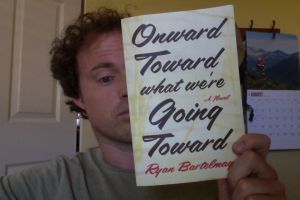
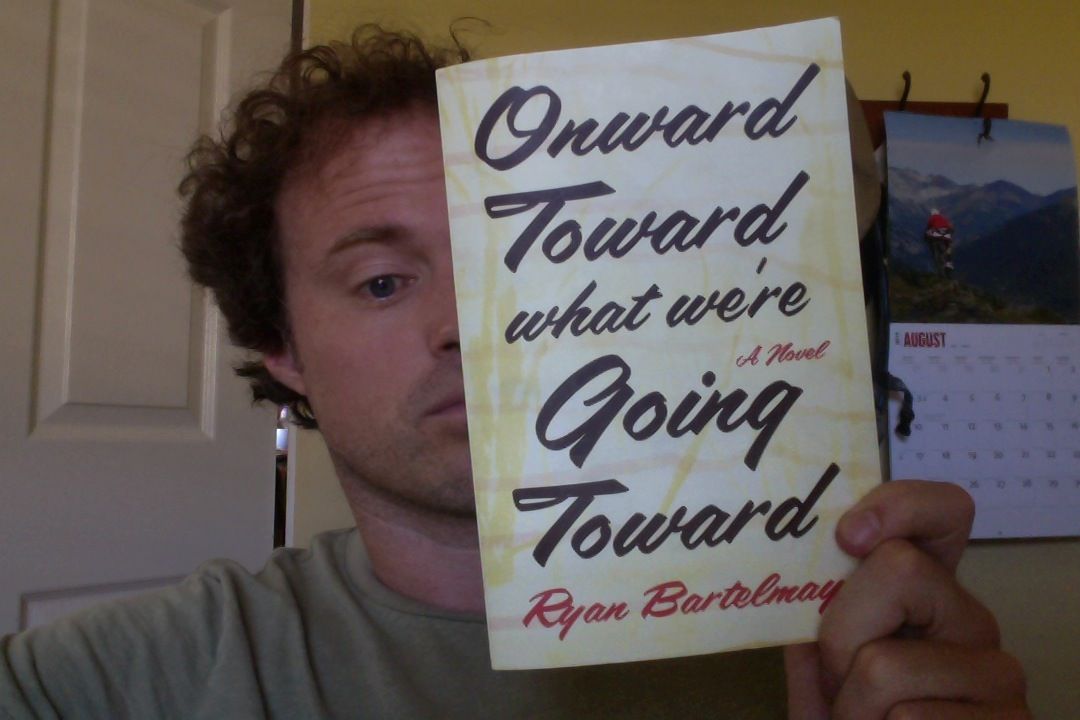
RB Photo3. Onward Toward What We Are Going Toward by Ryan Bartelmay

Why? My close friend just finished this beast of a novel after nursing it for 10 years. As my former MFA classmate, I needed to see how the character seeds he planted back in New York have blossomed on a larger canvas. Having read some of his stories, such as All That Sadness,  I had a hunch Onward might take me into the gloom, that great-gloom, that Ryan tends to enter with his writing.


4. Boxers & Saints by Gene Luen Yang    Why? Set in the 1890s, this graphic novel depicts China’s Boxer Rebellion from two different points of view; each book gives a different side’s take on the conflict. From the first book, I can see that Yang approaches war as a complex subject, instead of being quick to announce the heroes and villains.

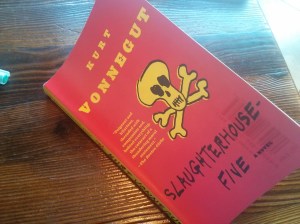
 5. Slaughterhouse Five by Kurt Vonnegut

Why? I tried reading this as a teenager, but failed to connect with it for some reason. Maybe it was a growth spurt at the time.  I remember the main character, a veteran of WWII and POW, ending up in a spaceship several times. I’m giving this one another chance!S5
Stay tuned for short reviews of MY NEXT FIVE BOOKS along with my next, NEXT FIVE BOOKS list. A few of the titles I’m thinking of reading are: The Things They Carried, Gone Girl, and…well, I’ll see if anybody gives me any great recommendations over the next few weeks!
Darwin Maps available at Pegasus Books in Berkeley

I have some great news to share today about my new novel Darwin Maps: Pegasus Books in Berkeley–my hometown–has agreed to carry my novel. Stop by their Solano Avenue store to pick up your copy!

Pegasus

If you don’t live in Berkeley, paperback copies are available from Lulu.com.

And for those of you with a Kindle, you can go to Amazon for the e-book.

Thanks to all of you who have already read my novel. I can’t wait to share it with more readers.

-Alex

Enough Cartography?

San Francisco BART Map, 2005

San Francisco BART Map, 2005

“There are thousands of us working together to build the best, most accurate maps we can collectively draw.”

-John Green

I wonder if we have too many maps. After all, many of us live in a post-map world; we obey our GPS with such blindness to other options, that we even make an illegal u-turn when we hear the seductive voice say “make an illegal u-turn.”

Why do we make new maps when can get directions and street views from our phones? Does drawing a new map show people how to go somewhere, or help others find us?

The author John Green posted a video a while back about how groups of us constantly make new maps because there is  “Insufficient Cartography.” Patrick, the map-drawing 13 year old star of my new novel Darwin Maps, would say: “I agree 100% with John Green! We need more maps!”

The early action of Darwin Maps takes place on the BART subway tracks below San Francisco and Oakland. When fleeing an attack one day, he rides an old tricked-out subway car to New York City in a flash. How’d he get there? He’s not sure, but Patrick soon discovers that “mapping is in his blood.” He is forced to draw new ways for BART to travel to other worldwide cities. Patrick understands that there are many maps yet to be drawn; there will always be insufficient cartography.

And maps change. I moved to New York City in July of 2001, just before 9/11 happened. After the tragic loss of the Twin Towers, the subway map had to be redrawn; no subways would be able to stop there for a long time. I was struck by how the nifty credit-card-sized map that I had gotten just weeks earlier had now become outdated.  Even on my most turbulent rides on the subway after 9/11, tracing my route on the map allowed my imagination to run wild. Maps involve us in our world by forcing us to become explorers.

The other problem with maps is that they are so darn pretty. I mean, you can just look at them for minutes and hours. Remember how Holden Caulfield famously got distracted in the opening of The Catcher in the Rye because he was trying to figure out the New York subway grid? Not only did he get lost, but he left his team’s fencing foils behind on the train. Maps are often stunning works of art and design that can entertain us as much as they guide us. If they cause us to forget our team’s equipment, then it must be one special map.

Darwin Maps launches on Kindle

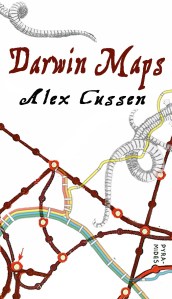
Darwin Map Cover FinalAfter several years, I’ve finally published my novel Darwin Maps at Amazon’s Kindle Store.

As a child, I was always captivated by long BART rides through Berkeley, Oakland, and San Francisco. The story follows the travels of brothers Jay and Patrick after they discover a secret tunnel connecting BART to other subway systems worldwide. The two must put aside sibling rivalry as they fight off worms seeking control of many of these portals, while protecting an old map their grandfather holds.

To escape the villains, Patrick must draw new connections to cities. He becomes a cartographer of the new underground network of tunnels.

It is a dream come true to share this with my friends, family, and former students. (The book is free for Amazon Prime members for the next few weeks, as are the first few chapters if you want to preview them.)


Happy Holidays,

Alex